 Crnogorski
 English
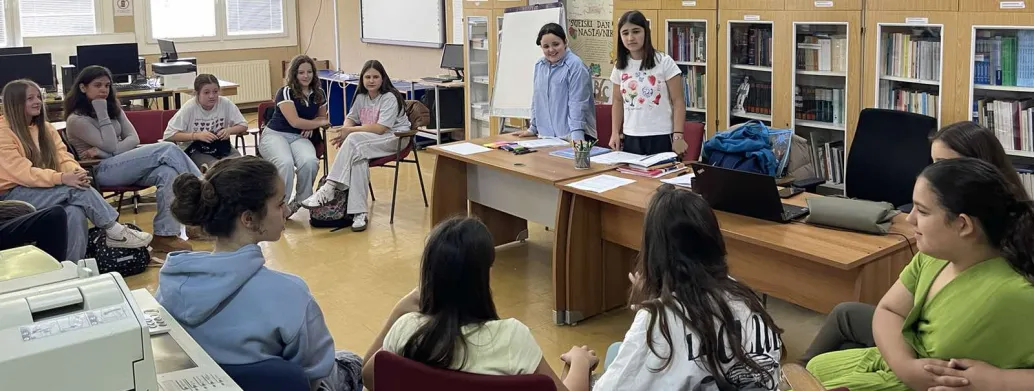
From classrooms and community dialogues to national initiatives, citizens across Montenegro are proving that empathy, participation and trust are the strongest response to hate speech.
When Andrija was younger, he learned that standing out could make him a target. His love for rock music often earned him labels he never chose. People assumed he was troublesome, aggressive or involved in things he had nothing to do with. His peer Leo faced prejudice based on his ethnicity. Both teenagers grew up in Podgorica believing that exclusion and hate speech were simply part of everyday life.
Today, they see things differently.
After participating in a youth workshop on social cohesion and countering discrimination and hate speech, organized by UNICEF and Juventas in Podgorica last year they gained something they had never had before – the confidence to challenge prejudice.
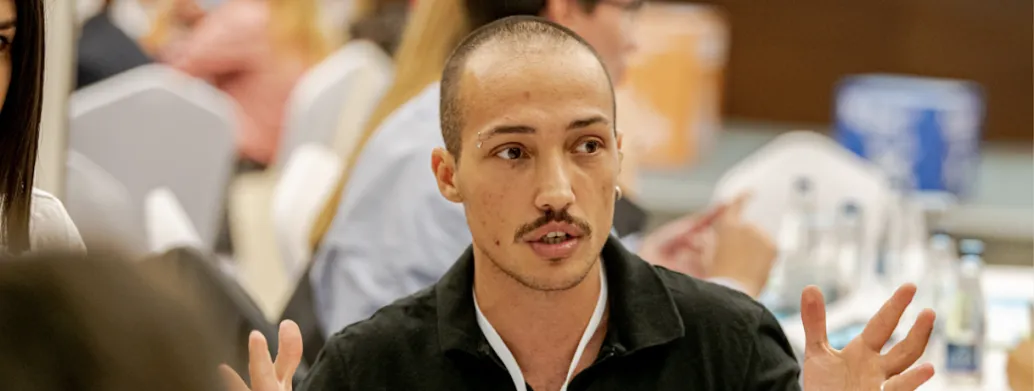
Today, Andrija says he is more confident to recognize prejudice, respond to it and speak with his peers about why words matter. "I've experienced hate speech myself many times, but before this workshop I never really thought about where prejudice and stereotypes come from," says Andrija. "Now I understand them much better, and I feel more confident challenging them."
Their experience reflects a wider challenge facing societies around the world. Hate speech has become increasingly common, particularly online, where anonymity and algorithms can amplify division, discrimination and hostility. While words may seem harmless to some, their impact can erode trust, deepen polarization and, in extreme cases, fuel violence.
In Montenegro, this challenge continues to influence public spaces and people lives. A nationally representative survey commissioned by UNICEF found that 93 per cent of respondents perceived hate speech around them, while 81 per cent said they could recognize it. Recent UNDP’s monitoring of online media portals and social media platforms in Montenegro also identified hundreds of thousands of comments containing hateful elements, highlighting the scale of the problem in digital spaces.
Hate speech negates and threatens diversity and inclusion, undermines social cohesion and can lay the foundation for violence. Yet across the country, communities, schools and institutions are showing that hate speech is not inevitable.
Through the joint United Nations programme Together for the Common Good – Enhancing Citizens' Trust in Institutions and Building Resilient Communities, financed by the UN Peacebuilding Fund and jointly implemented by UNDP, UNICEF and UNESCO, citizens are working together to strengthen social cohesion, promote dialogue and build resilience against divisive narratives.
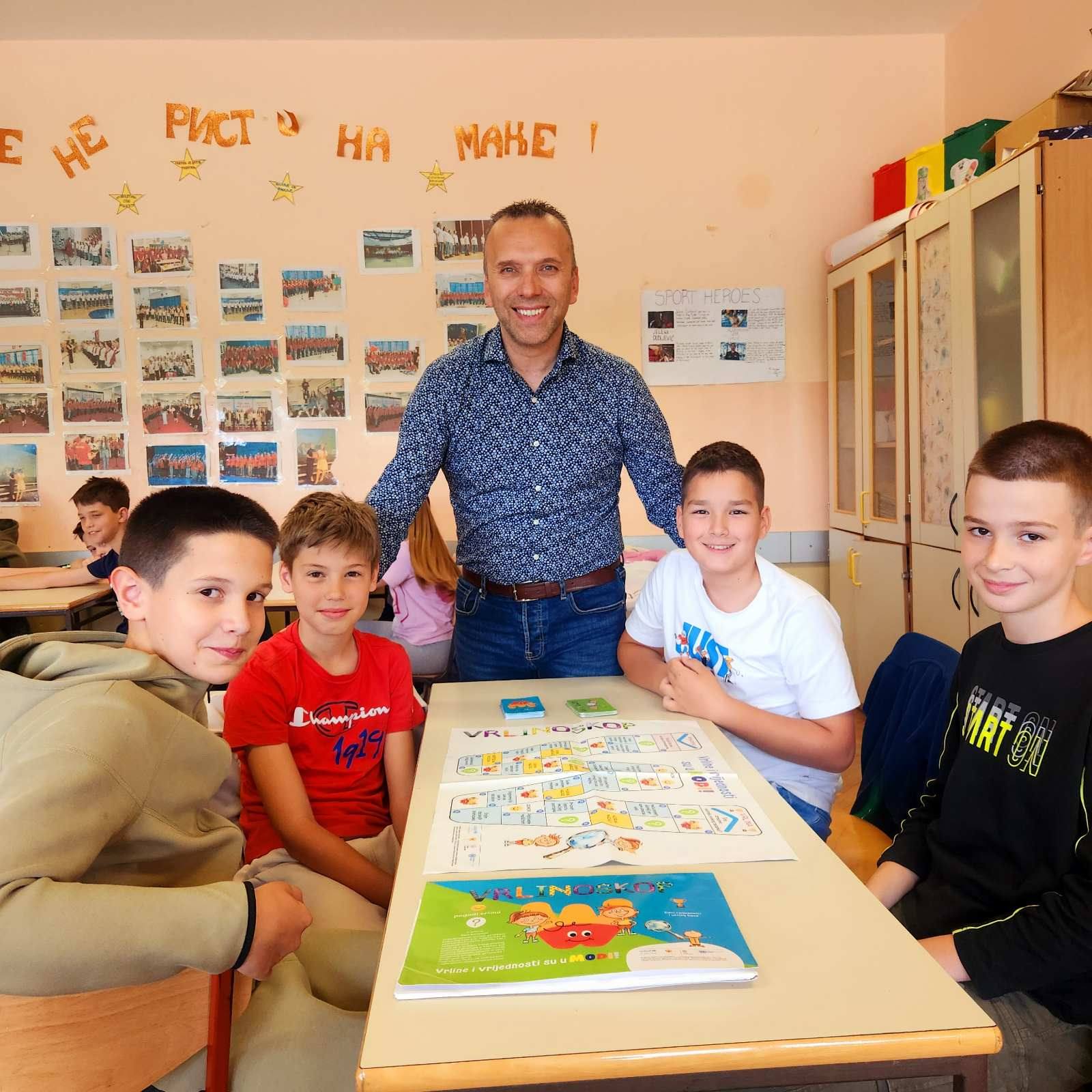
School activity on socio-emotional skills
For Laura, medical student who participated in UNICEF-supported peer educator training, the programme was transformative. "Before this workshop, I wasn't always sure where free expression ended and hate speech began," says Laura. "Now I understand that difference much better.”
Andrija and Laura are among many young people in Montenegro learning how to recognize stereotypes, understand the difference between free expression and hate speech and speak about discrimination with greater confidence. She is one of more than 120 young peer educators trained to recognize and counter hate speech while promoting dialogue among 400 of their peers.
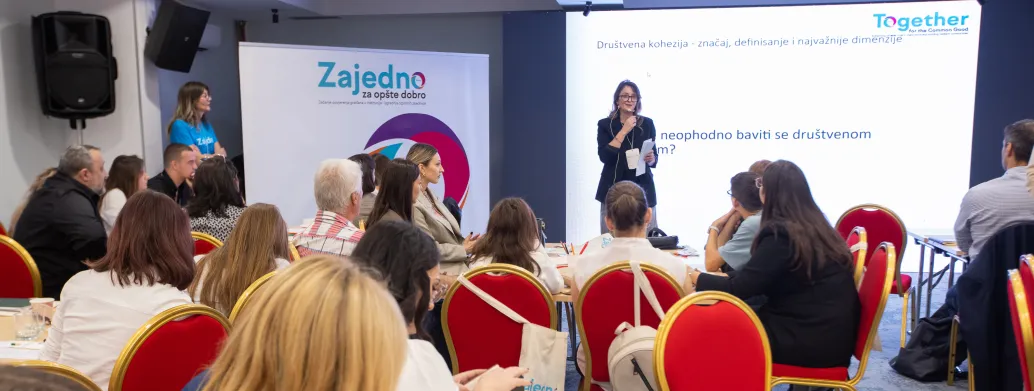
With local authorities in Bar, Bijelo Polje, Pljevlja, Podgorica and Ulcinj, UNDP brought together children, young people, citizens, local authorities and civil society organizations to discuss how to address hate speech and strengthen trust in institutions. An innovative model for enhancing participatory process on the local level created safe, inclusive spaces for citizens to discuss shared challenges. For some participants, these conversations have been deeply personal.
"For the first time, I felt a genuine connection with a group of people united not by background, but by shared human values – empathy, understanding and mutual respect," recalled one participant of the Local Dialogue.
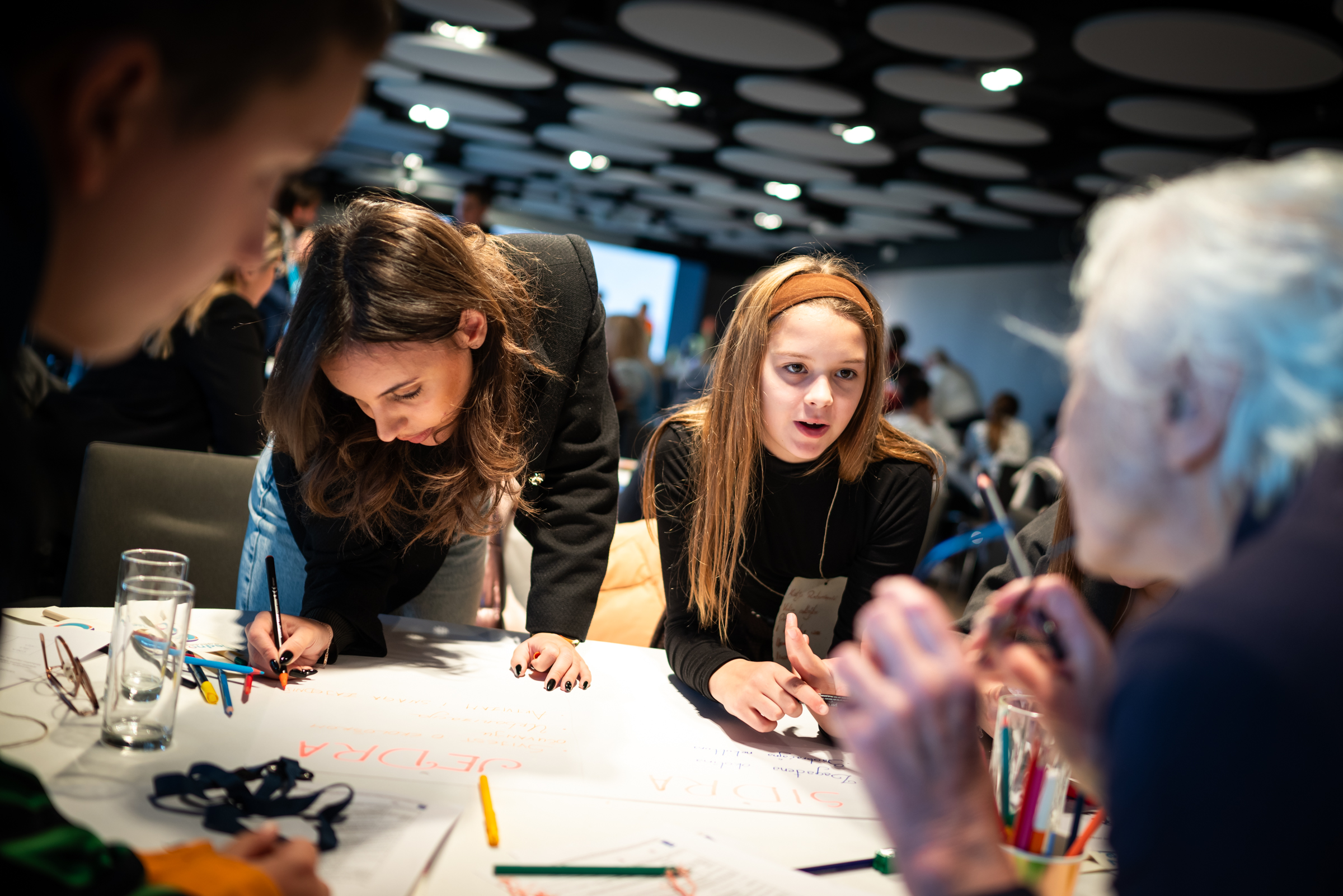
Local dialogue participants
Citizens consistently pointed to challenges related to polarization, hate speech, discrimination, and peer violence. More than 450 participants have formulated over 200 recommendations for strengthening social cohesion and addressing divisions in their communities. Their recommendations were formalized into Local Social Cohesion Pledges adopted by local parliaments, institutionalizing regular dialogue, establishing social cohesion councils, introducing a Day of the Common Good and committing to measures that respond directly to citizens’ recommendations voiced through the dialogues. A national dialogue and National Social Cohesion Pledge further elevated citizen voices to national institutions and policies. On the field, UNDP, through The Innovation Lab, supported 21 citizen-led initiatives tackling challenges such as cyberbullying, hate speech and social exclusion, reaching more than 2,000 beneficiaries.
One example is a youth-led initiative from Bar focused on addressing online hate speech and digital violence. Developed following the UNDP Dialogues and Innovation Lab, the initiative combines workshops, peer discussions, and “Human Library” sessions to help young people better understand the consequences of harmful online behaviour. An innovative eDiary tool also provides a safe and anonymous space for sharing experiences and seeking support, contributing to a more respectful and inclusive digital environment in Montenegro.
The programme has also helped schools become places where children and adolescents learn to address differences through dialogue rather than conflict. UNICEF-supported socio-emotional skills such as empathy, tolerance, teamwork are integrated into educational curricula and taught to 46.000 children and adolescents across Montenegro, laying the foundation of lasting values that safeguard human rights, dignity and cohesion and mediation programmes now operate in six schools, promoting peaceful conflict resolution and respectful communication among students.
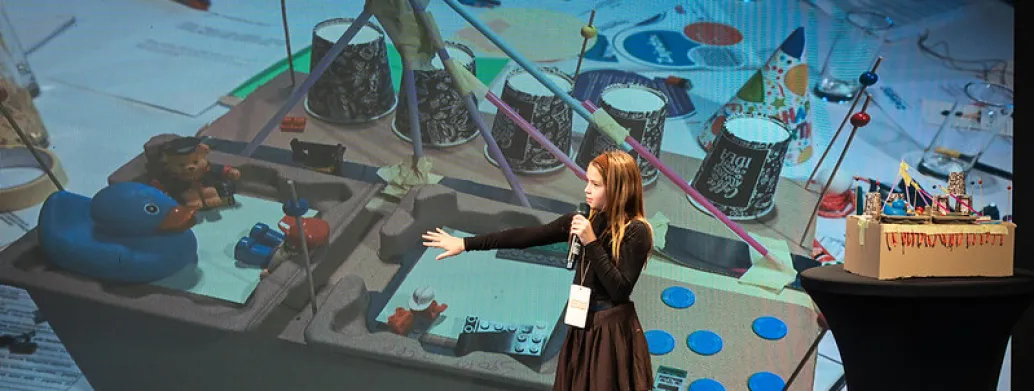
With support from UNESCO, the Ministries of Education and Culture and the National Museum of Montenegro implemented the country’s first Arts Education Programme in nine municipalities, engaging children and young people with Montenegrin cultural heritage to strengthen intercultural understanding and dialogue. The programme involved more than 220 students and 30 mentors, with the support of schools, cultural institutions and local communities across the country. Through its partnership with RTCG, the initiative also reached broader audiences, helping raise awareness of the role of culture, dialogue and youth engagement in strengthening social cohesion.
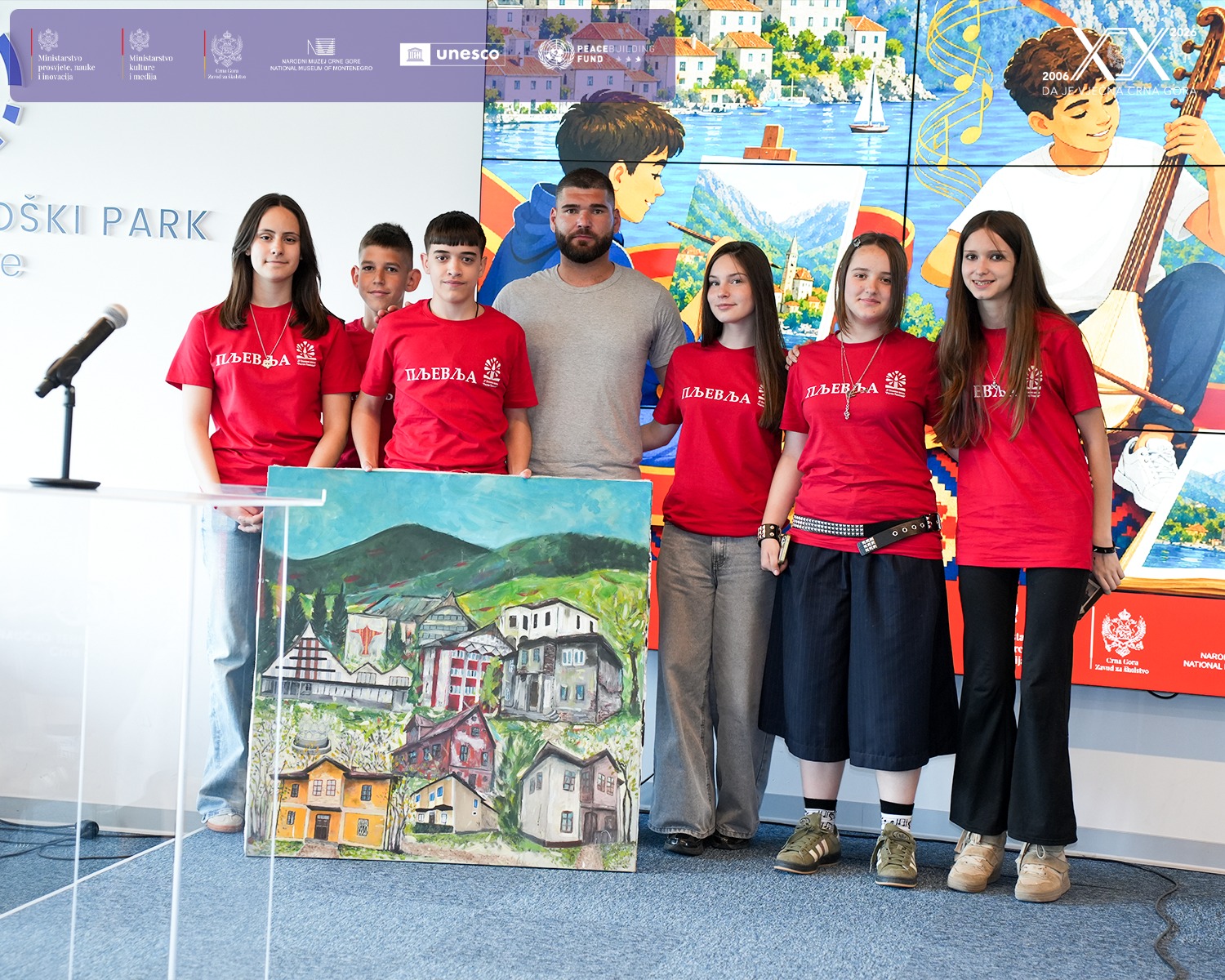
Arts education results presentation
Participatory workshops with youth through NGO Prazan prostor created safe spaces to explore identity, belonging and exclusion – fostering empathy and critical thinking, encouraging young people to reflect on stereotypes and discrimination while fostering empathy, dialogue and critical thinking.
Academia-based dialogue platforms brought together students, academics and decision-makers to address social cohesion, discrimination and trust in institutions, strengthening a culture of democratic participation. The dialogues also provided space for open conversations on polarization, prejudice and the impact of harmful narratives on social cohesion, encouraging collaborative approaches to addressing these challenges.
UNESCO also strengthened media and information literacy (MIL) through accredited training for teachers and librarians from elementary and high schools across five project municipalities, equipping educators to help students critically assess information, recognize misinformation and engage responsibly in digital spaces – building resilience against disinformation, harmful narratives and online polarization.
UNESCO also supported solutions journalism training for young journalists and journalism students, encouraging reporting that moves beyond divisions toward evidence-based responses and examples of positive change – promoting responsible narratives that strengthen trust and social cohesion.
"Journalistic pieces tend to center around issues, crime news, and the darker aspects of society. However, constructive journalism and solutions journalism bring a sense of hope for a better tomorrow and the improvement of society." – Nataša Stanković, journalism student and participant in the UNESCO-supported workshop on solutions journalism.
To further strengthen institutional responses, UNESCO is supporting the government to establish a Network against Disinformation and Hate Speech – a multi-stakeholder platform bringing together institutions, media, academia and civil society to coordinate responses, share knowledge and build societal resilience against disinformation and hate speech.
UNDP, meanwhile, has supported Ombudsman’s Office to use of artificial intelligence to monitor online hate speech and generate evidence-based recommendations for prevention and response. More than 2 million comments in digital space have been analyzed in the period from July to December 2025, with more than 750,000 of them containing elements of hate speech of various intensity.
“Hate speech continues to be present in Montenegro to a worrying extent and has a negative impact on social cohesion. Any failure by institutions to respond serves to normalize unacceptable narratives and further undermines public trust in institutions. The digital environment further amplifies the spread of intolerance, while the absence of an institutional response sends a message that such patterns of behaviour are socially acceptable. Young people are particularly affected, as they are growing up in an environment where hate speech and social divisions are increasingly normalized,” said Siniša Bjeković, the Protector of Human Rights and Freedoms of Montenegro.
On this International Day for Countering Hate Speech, the message of the three agencies, UNDP, UNICEF and UNESCO is clear: words can divide, but they can also connect. Hate speech is discriminatory and an attack on the dignity of its victims. It undermines social cohesion, weakens trust and erodes the foundations of inclusive and democratic societies. Countering it requires not only individual responsibility and community engagement but also sustained institutional commitment. Public institutions, media, educational systems and community leaders all have a critical role to play in preventing hate speech, responding to it effectively, and promoting a culture of respect, inclusion and accountability.
Through education, dialogue and collective action, communities across Montenegro are demonstrating that empathy is stronger than hatred and that social cohesion begins with the simple act of recognizing each person's dignity and value. At the same time, lasting progress depends on institutions that are willing and able to act decisively against discrimination and harmful narratives, protect human rights, and create spaces where diversity is respected and every voice can be heard.